28 Jul 2026
PRETORIA — One Africa serves as the central rallying cry for the African Tourism Board (ATB) as it signals a definitive shift in its operational strategy, moving from broad advocacy toward a granular, policy-driven integration of the African Continental Free Trade Area (AfCFTA). Following high-level engagements at World Travel Market (WTM) Africa 2026 in Cape Town, the Board’s leadership, under Executive Chairman Hon. Cuthbert Ncube, has outlined a roadmap that treats tourism not merely as a leisure sector, but as a primary engine for continental economic sovereignty.
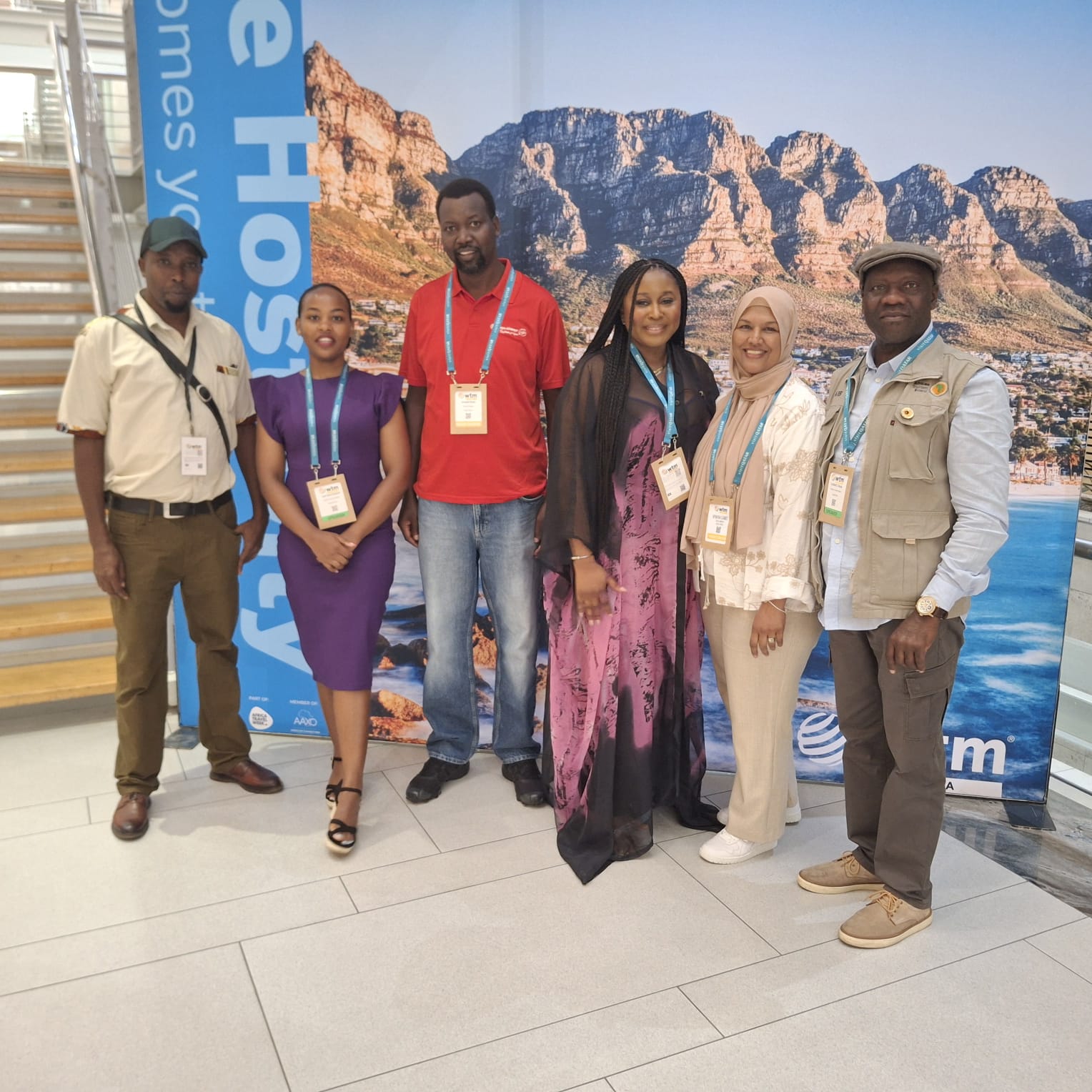
The roadshow effectively bridged the gap between high-level policy and grassroots implementation, demonstrating that the One Africa concept is gaining practical momentum among both public and private sector stakeholders. Observers noted a heightened appetite for intra-African investment, with the roadshow serving as a catalyst for new bilateral agreements that bypass traditional bureaucratic delays. A critical milestone in this engagement was a strategic side meeting at the Cape Town International Convention Centre between the ATB and Kenya Airways.
Featuring Mr. Kenei and Ms. Mymona of the airline’s South African office, alongside Hon. Ncube, Secretary General Sally Njoki, and Deputy Secretary General Adefunke Oni, the session focused on synchronizing aviation routes with destination marketing to ensure Africa is positioned as a unified, compelling continental experience rather than a collection of isolated markets. The strategy’s primary objective remains the pursuit of continental connectivity through the bold implementation of the Africa Tourism Investment Forum (ATIF) Action Plan. By aligning tourism protocols with AfCFTA frameworks and strengthening aviation partnerships, the ATB is targeting the removal of persistent logistical bottlenecks that have historically stifled intra-continental travel, particularly as international arrivals have surged to 10.5 million in the past year.
Secretary General Sally Njoki emphasized that the current mission is to dismantle the silo mentality that has fragmented African destinations. The strategy focuses on harmonizing sustainable tourism policies across borders and advocating for the Single African Air Transport Market (SAATM) to reduce costs and address the fact that 42% of African citizens still require visas to travel within the continent. A significant portion of the strategic roadmap is dedicated to the Brand Africa narrative—a project Secretary General Sally Njoki has championed through a dual focus on executive logistics and heritage storytelling. The board is increasingly leveraging historical reconciliation and cultural legacy as a sophisticated tourism product, aiming to attract a demographic of travelers seeking depth over traditional safari-only experiences.
This narrative shift is backed by a renewed focus on digital sovereignty and SME empowerment, including the transformation of African embassies into active “Deal Rooms” to facilitate partnerships between local firms and international investors. These efforts ensure that youth and women are the primary beneficiaries of the $3.4 trillion AfCFTA market while maintaining institutional integrity to secure long-term partnerships. ATB is accelerating its project pipeline with high-impact initiatives designed to ensure equitable economic participation through 2027. A cornerstone of this outlook is the Tourism Entrepreneurship & Global Pathway Program, a flagship initiative designed to empower African MSMEs and youth to lead the global travel market.
Furthermore, the ATB is spearheading the Africa–Europe Partnership for Culture, a strategic multi-year program aiming to transform heritage sites across Southern Africa into engines for community-led economic recovery. These projects are complemented by the upcoming Africa Live Events Conference and the launch of a new Wildlife Economy White Paper, exploring innovative, non-consumptive tourism models that ensure conservation efforts directly fund local development and preserve the continent’s cultural sovereignty.
This evolution is further emphasized by the ATB’s commitment to the African Union’s Agenda 2063, which envisions a prosperous and integrated continent built on inclusive growth. Central to this vision is the professionalization of the industry’s workforce; the ATB is currently overseeing a major push for mandatory registration and accredited training for tourist guides. By standardizing the safety and quality of these frontline ambassadors, the Board aims to provide a consistent, premium experience that rivals global standards. The roadmap launched at WTM Africa confirms that the ATB is no longer content with being a peripheral advisory body focused on diplomatic signatures. Under its current trajectory, the organization is positioning itself as a central geopolitical facilitator, betting that the future of African prosperity lies in the seamless movement of people, goods, and ideas across the 54 member states.
No comments yet — be the first to share your thoughts.